
🌿
AI Vaidya
Ayurveda Assistant · ShigruVedas
🌿
Namaste! 🙏
Ask me anything about Ayurveda
Enter to send ·
AI Vaidya
Ayurveda Assistant · ShigruVedas
Namaste! 🙏
Ask me anything about Ayurveda
Enter to send ·
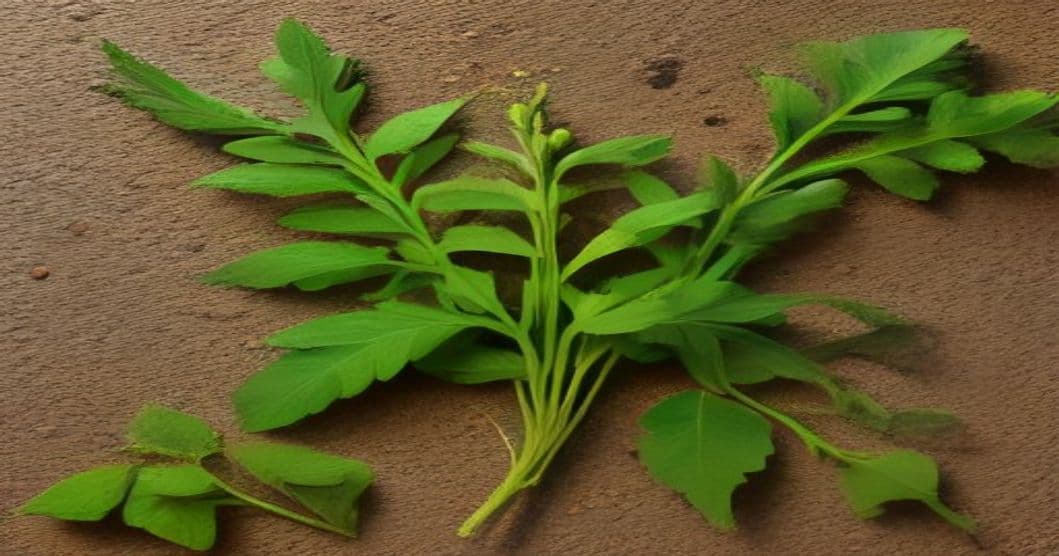
Diabetes is a growing concern in India, and many people turn to natural remedies alongside conventional care. Moringa, known as Shigru in our farms, has been highlighted in both scientific studies and Ayurvedic texts for its potential role in blood sugar management. This article examines what research says, how Ayurveda views Moringa, and practical ways to incorporate it into a balanced routine.
Research on Moringa’s impact on blood glucose has produced encouraging results, though the evidence is still emerging. Key findings include:
These findings suggest that Moringa may support glucose regulation, but it should not replace prescribed medication. Discuss any supplement use with a healthcare professional, especially if you have a serious health condition.
In Ayurveda, diabetes is often categorized as a Vata‑Pitta imbalance. Moringa is classified as a Vata‑Pitta pacifying herb. Traditional texts describe its benefits as:
Ayurvedic practice recommends Moringa in the form of fresh leaves, powder, or as part of a balanced diet rather than as a concentrated supplement.
If you decide to add Moringa to your routine, consider these practical steps:
Always consult your doctor before starting any new supplement, particularly if you are on diabetes medication.
The consensus among scientists and Ayurvedic practitioners is that Moringa can be a helpful adjunct to a comprehensive diabetes management plan.
Moringa offers a blend of traditional wisdom and emerging scientific interest in supporting blood sugar balance. While it may provide nutritional benefits and mild glucose regulation, it should complement, not replace, conventional treatments. Work with your healthcare provider to integrate Moringa safely into your daily routine.
Moringa supplements should be discussed with a doctor for serious health conditions.