
🌿
AI Vaidya
Ayurveda Assistant · ShigruVedas
🌿
Namaste! 🙏
Ask me anything about Ayurveda
Enter to send ·
AI Vaidya
Ayurveda Assistant · ShigruVedas
Namaste! 🙏
Ask me anything about Ayurveda
Enter to send ·
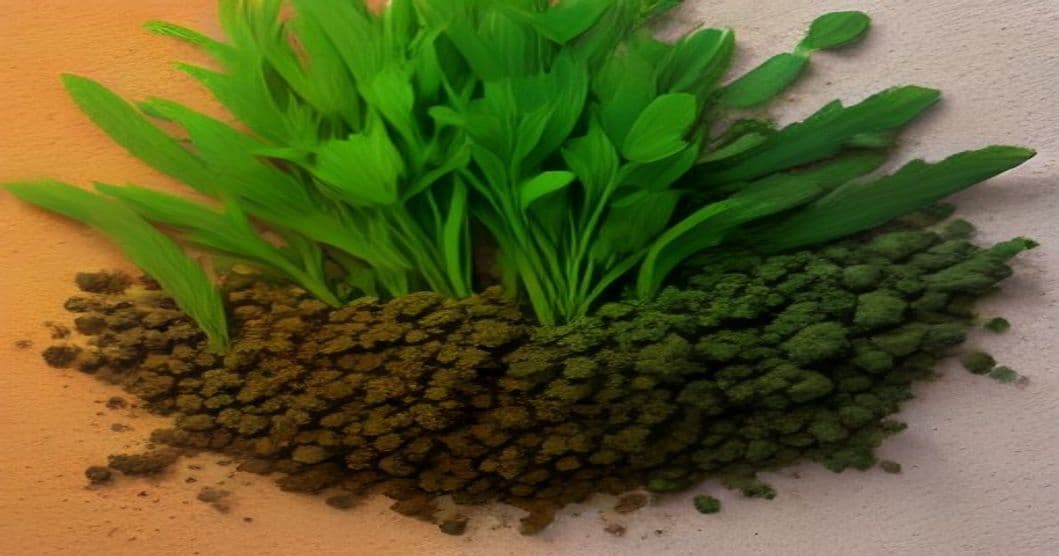
Joint pain and inflammation are common complaints, especially as we age or after repetitive strain. Ayurveda views these issues as imbalances in the body’s doshas, particularly an excess of Pitta and Kapha. Traditional remedies aim to restore balance through diet, lifestyle, and herbal support. Moringa, known in Ayurveda as “Shigru”, is revered for its anti‑inflammatory properties and nutrient density.
Moringa leaves are a rich source of vitamins, minerals, and antioxidants. They contain compounds such as quercetin, kaempferol, and chlorogenic acid that have been studied for their ability to reduce inflammatory markers. In Ayurveda, these compounds are considered to pacify Pitta, which is associated with heat and inflammation.
Research has investigated Moringa’s effect on inflammatory cytokines, suggesting it may help lower swelling and pain in arthritic joints.
In Ayurvedic practice, Moringa is often prepared as a decoction or added to daily meals. The following methods are commonly recommended:
It is important to start with small doses and observe how your body responds, as Moringa can be potent.
Ayurveda emphasizes holistic care. Pairing Moringa with other practices can enhance its benefits for joint health:
These lifestyle measures work in concert with Moringa’s anti‑inflammatory properties, creating a supportive environment for joint comfort.
Moringa, a cornerstone of Ayurvedic healing, offers a natural way to support joint health and reduce inflammation. While it may help alleviate discomfort, it is not a replacement for medical treatment. Incorporating Moringa into a balanced diet, mindful movement, and proper hydration can create a supportive routine for joint well-being.
Note: Moringa supplements should be discussed with a doctor for serious health conditions.