Introduction
Moringa, often called the miracle tree, is prized for its nutrient‑dense leaves and sweet pods. But the quality of these parts depends largely on when and how they are harvested. Understanding the harvest season helps farmers and home growers capture the best flavor, texture, and nutritional profile.
When Is the Peak Harvest Window?
Moringa trees thrive in tropical and subtropical climates. Their growth cycle follows a predictable pattern:
- Early spring (March‑April) – The first flush of young leaves appears; these are tender and packed with vitamins.
- Mid‑summer (June‑August) – Leaves reach full maturity, developing a richer flavor and higher mineral content.
- Late summer to early autumn (September‑October) – Pods begin to form; they are at their sweetest when the tree has completed a full growing cycle.
Harvesting during these periods ensures maximum nutritional density and optimal taste.
How to Tell When Leaves Are Ready
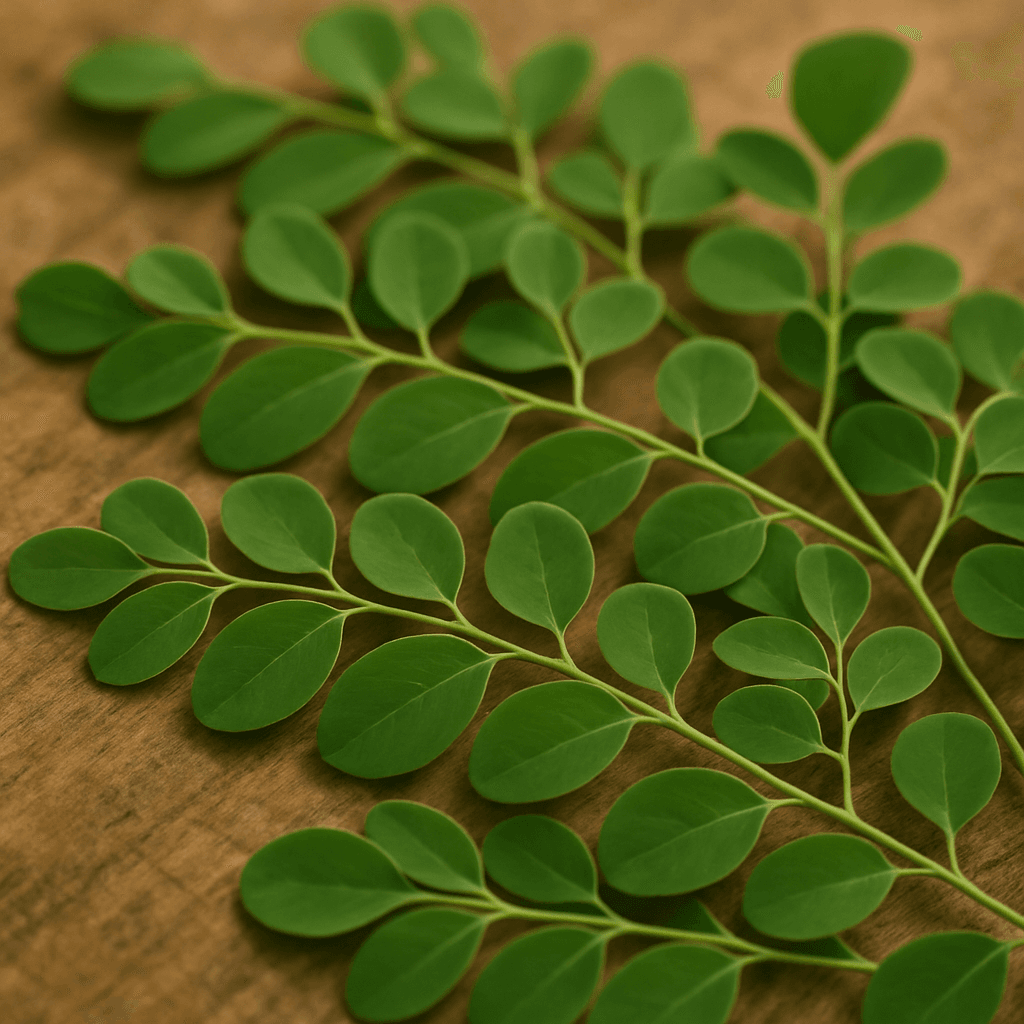
The ideal leaf is firm yet flexible, with a bright green hue. Signs that the leaf is ready for picking include:
- A slight reddish or yellowish tint along the edges, indicating maturity.
- Leaves that are thick enough to hold their shape when bent.
- A pleasant, mild aroma that suggests fresh, unspoiled foliage.
Pod Harvest Timing
Pods are usually harvested when they are fully formed but still firm. A pod that feels heavy for its size and has a bright, glossy surface is a good indicator of optimal ripeness. Harvesting too early results in a bitter taste, while waiting too long can cause pods to split and lose moisture.
Harvesting Techniques for Maximum Quality
- Use clean, sharp scissors or a knife to avoid damaging the plant.
- Harvest in the early morning when temperatures are cooler, which helps preserve moisture and flavor.
- Avoid over‑harvesting; leave at least a third of the leaves on the tree to maintain photosynthetic capacity.
- Handle pods gently; they are fragile and can bruise easily, which affects texture.
Post‑Harvest Handling
Freshness is key to retaining nutrients. Follow these steps:
- Rinse leaves and pods in cool water to remove dirt and insects.
- Pat dry with a clean towel; excess water can lead to mold.
- Store leaves in a breathable container at room temperature for up to 48 hours, or refrigerate for longer freshness.
- Dry pods slowly in a shaded area to preserve their sweet flavor.
Nutritional Highlights at Peak Harvest
- Leaves: Rich in vitamin C, calcium, potassium, and antioxidants; their concentration peaks during mid‑summer.
- Pods: High in vitamin A, folate, and a mild, sweet flavor that is most pronounced after the full growing cycle.
Practical Tips for Home Growers
- Plant in well‑drained soil with plenty of organic matter; this supports robust growth.
- Water regularly but avoid waterlogging, which can cause root rot.
- Apply a balanced organic fertilizer in early spring to boost leaf production.
- Prune the tree after each harvest to encourage new shoots and maintain shape.
When to Seek Professional Advice
Moringa supplements are a valuable addition to a balanced diet, but they should be discussed with a healthcare provider if you have serious health conditions or are taking medication.
Conclusion
By aligning harvest times with the tree’s natural growth cycle, using gentle techniques, and handling produce properly, you can enjoy Moringa leaves and pods that are flavorful, nutrient‑rich, and truly at their best.